The Boring Business Quietly Paying Residual Income | Dividend Shift
Confirm You're Serious

This Information Is Not
Publicly Advertised

What you're about to read took years to build and is protected by a proprietary system. We share it with real people who are genuinely evaluating this — not casual browsers. Confirm your details and we'll unlock the full breakdown.

US mobile number required — we text your access link and next steps.
Please enter your full name, a valid email, and a valid US mobile number.

🔒 Your information is never sold or shared. Message & data rates may apply. Unsubscribe anytime.

Profit Off Crypto WITHOUT the Swings

While most people worry about what coin to buy, business professionals are focusing on how to own the infrastructure.

Specifically…

Crypto Payments.

(The Boring Business Nobody Talks About)

You've Been on the Wrong Side of Every Payment Your Whole Life

Every time you swipe a card, someone collects a residual. That someone has never been you. Until now — there's a simple, boring way to get on the other side of that transaction. And it pays you every single month, whether you're working or not.

39% of U.S. merchants now accept crypto — PayPal/NCA, Jan 2026
88% of merchants report customers asking to pay with crypto monthly
84% of merchants believe crypto payments become standard within 5 years
90% would accept crypto if setup were as simple as a credit card
Steak & Shake saw 15% increase in same-store sales after adding crypto payments
Crypto represents 26% of total sales for merchants already accepting it
Visa, Mastercard, PayPal, JPMorgan — all building crypto payment infrastructure
39% of U.S. merchants now accept crypto — PayPal/NCA, Jan 2026
88% of merchants report customers asking to pay with crypto monthly
84% of merchants believe crypto payments become standard within 5 years
90% would accept crypto if setup were as simple as a credit card
Steak & Shake saw 15% increase in same-store sales after adding crypto payments
Crypto represents 26% of total sales for merchants already accepting it
Visa, Mastercard, PayPal, JPMorgan — all building crypto payment infrastructure

The Biggest Financial Institutions on Earth Are Already In

This isn't speculation. In January 2026, PayPal and the National Cryptocurrency Association published a joint study. The numbers are not small.

39%
of U.S. merchants already accept crypto at checkout
PayPal/NCA, Jan 2026
88%
report customers asking to pay with crypto at least monthly
PayPal/NCA, Jan 2026
90%
would accept crypto if setup were as simple as a credit card
PayPal/NCA, Jan 2026

The demand is already at the counter. 90% of business owners are being asked by their customers to accept crypto at least once a month. They want to say yes. They just don't know how. That gap — between demand and adoption — is where the residual income lives.

🏦
JPMorgan Chase
Built crypto payment infrastructure for institutional clients
💳
Visa & Mastercard
Actively integrating crypto settlement into existing merchant networks
🌐
PayPal & Stripe
Both built native crypto checkout into their payment platforms
🏪
Major Retailers
Whole Foods, Starbucks, Home Depot already accepting crypto

These aren't your competition. They're building the rails you ride on. The biggest payment networks in the world are validating this market — and the local businesses in your area haven't caught up yet. That's the window.

This Is Credit Cards — 15 Years Ago

If you were paying attention in the early 2000s, you saw what happened when credit card processing became available to small businesses. The people who got in early — who helped local restaurants, auto shops, and retail stores accept cards — built decades of residual income from a single placement.

They're still collecting those checks today. From placements they made 15 years ago. They didn't need to be in finance. They didn't need to know how the technology worked. They just needed to be early.

Early 2000s · The Credit Card Window
Early adopters placed merchants on card processing. Every swipe paid a small residual. The reps who got in first built income streams that still pay today — from placements they made 15+ years ago.
2010–2020 · Saturation
Every business already had card processing. The window closed. The residuals went to the people who moved first. Everyone else watched.
2024–NOW · The Crypto Payment Window
The window is open again. 61% of local businesses still don't accept crypto. The demand is already there — 88% of merchants are being asked monthly. The infrastructure is built. The only thing missing is the placement. That's you.
The difference between then and now: Credit card adoption took a decade to spread. Today, PayPal, Visa, and Mastercard have already built the infrastructure. The adoption curve is faster — which means the window is shorter. The people who move now are the ones who collect later. The people who wait will watch someone else take their area.

These Are Average Americans — Not Finance People

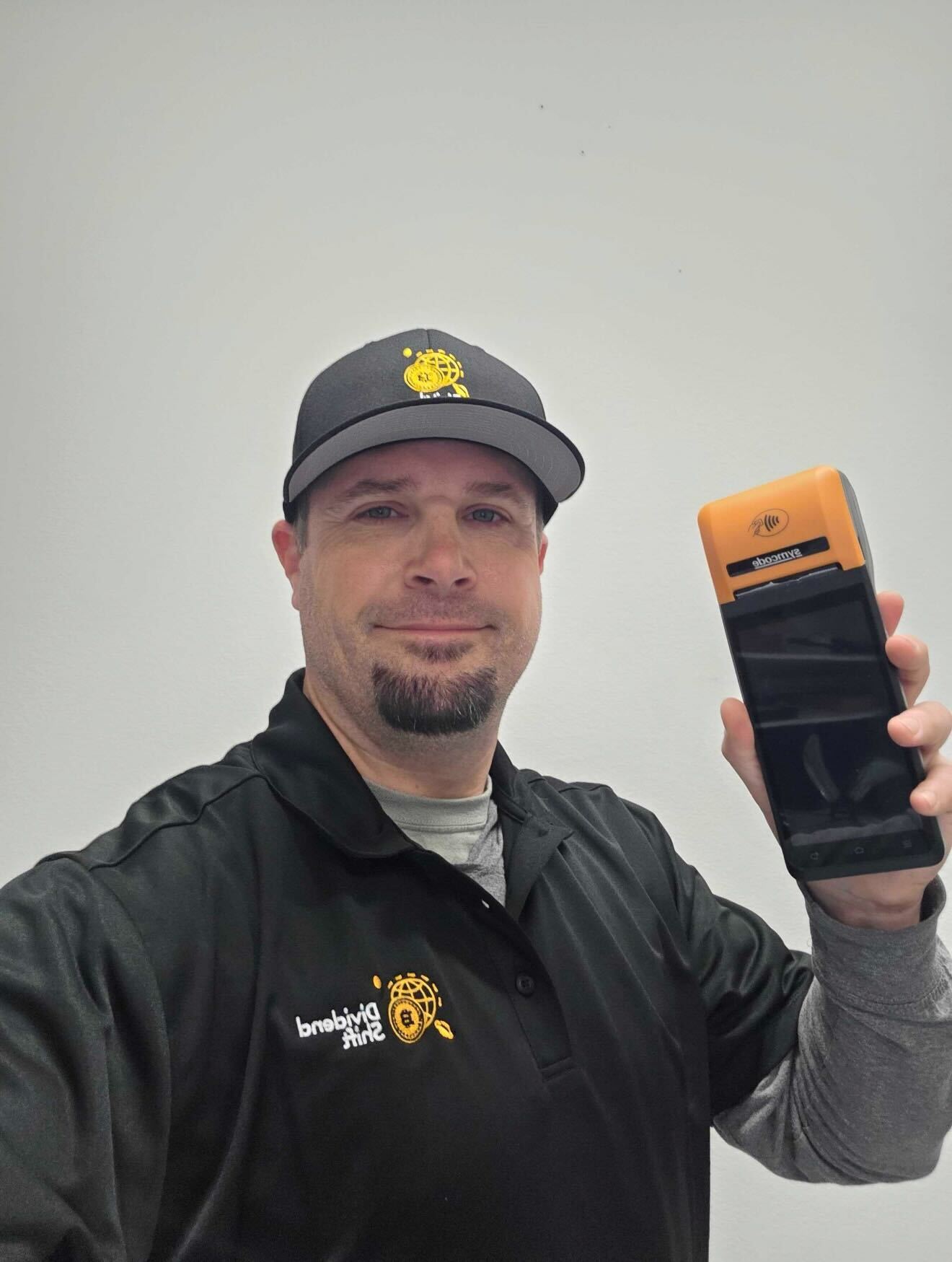
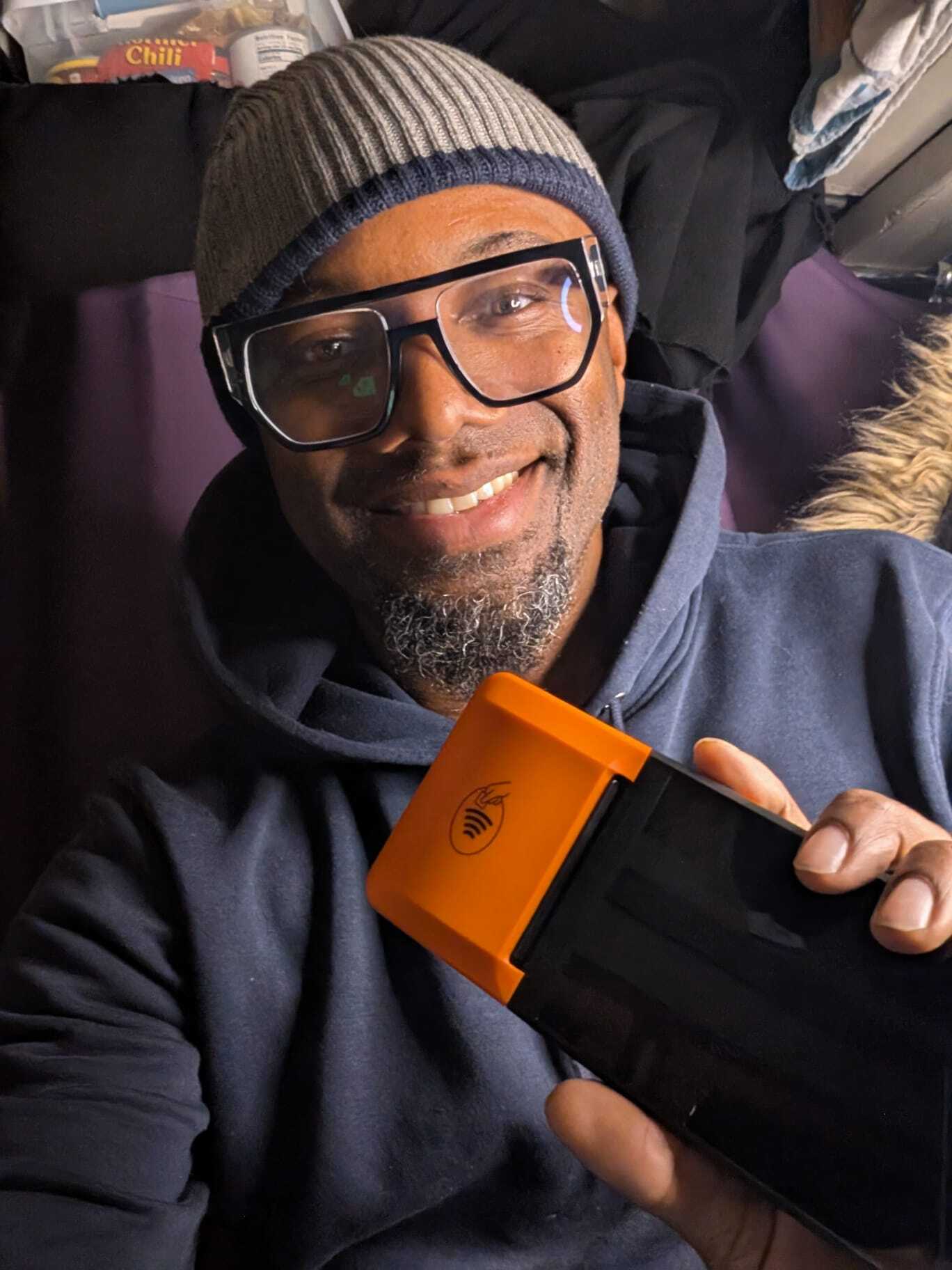
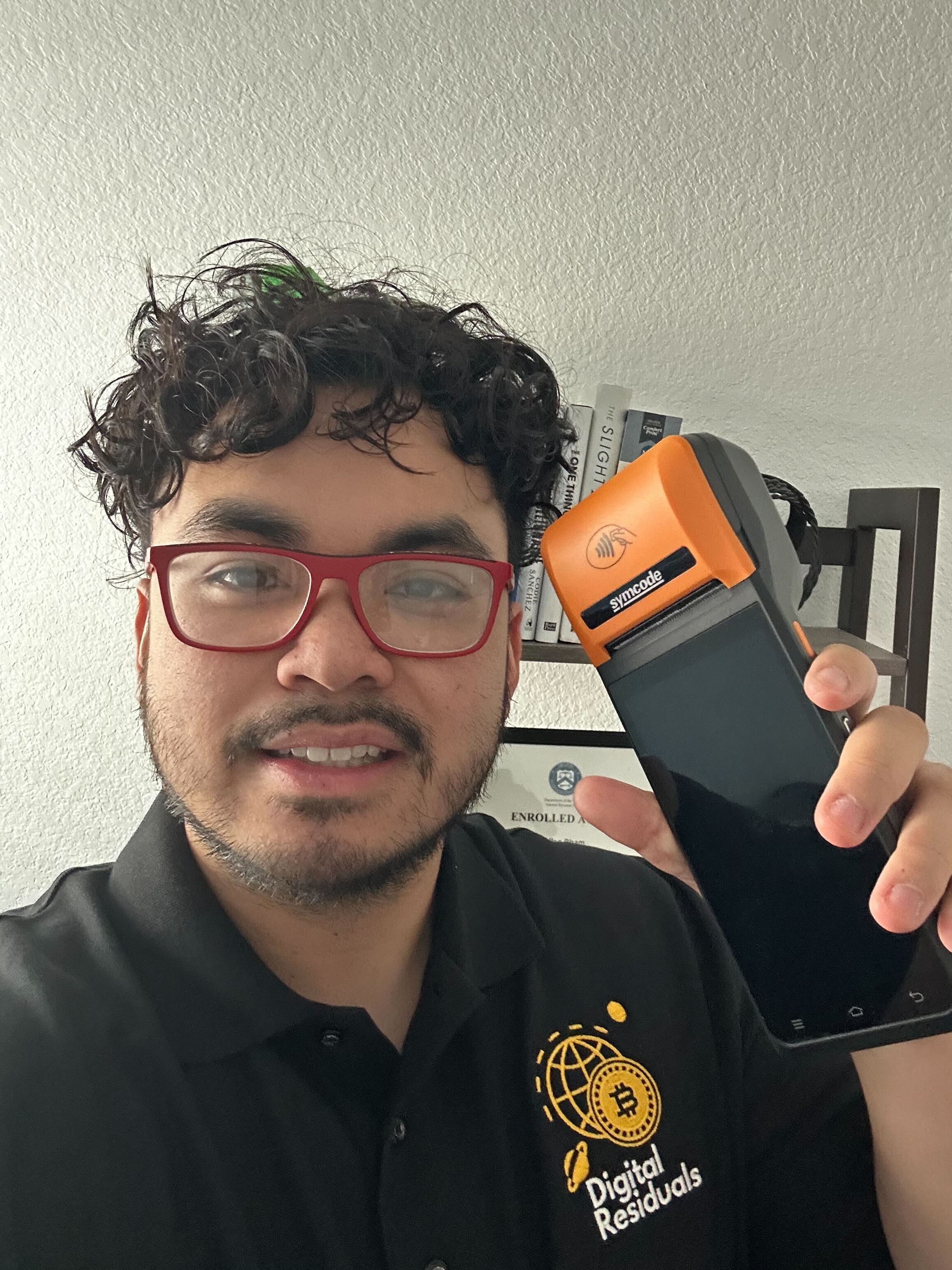
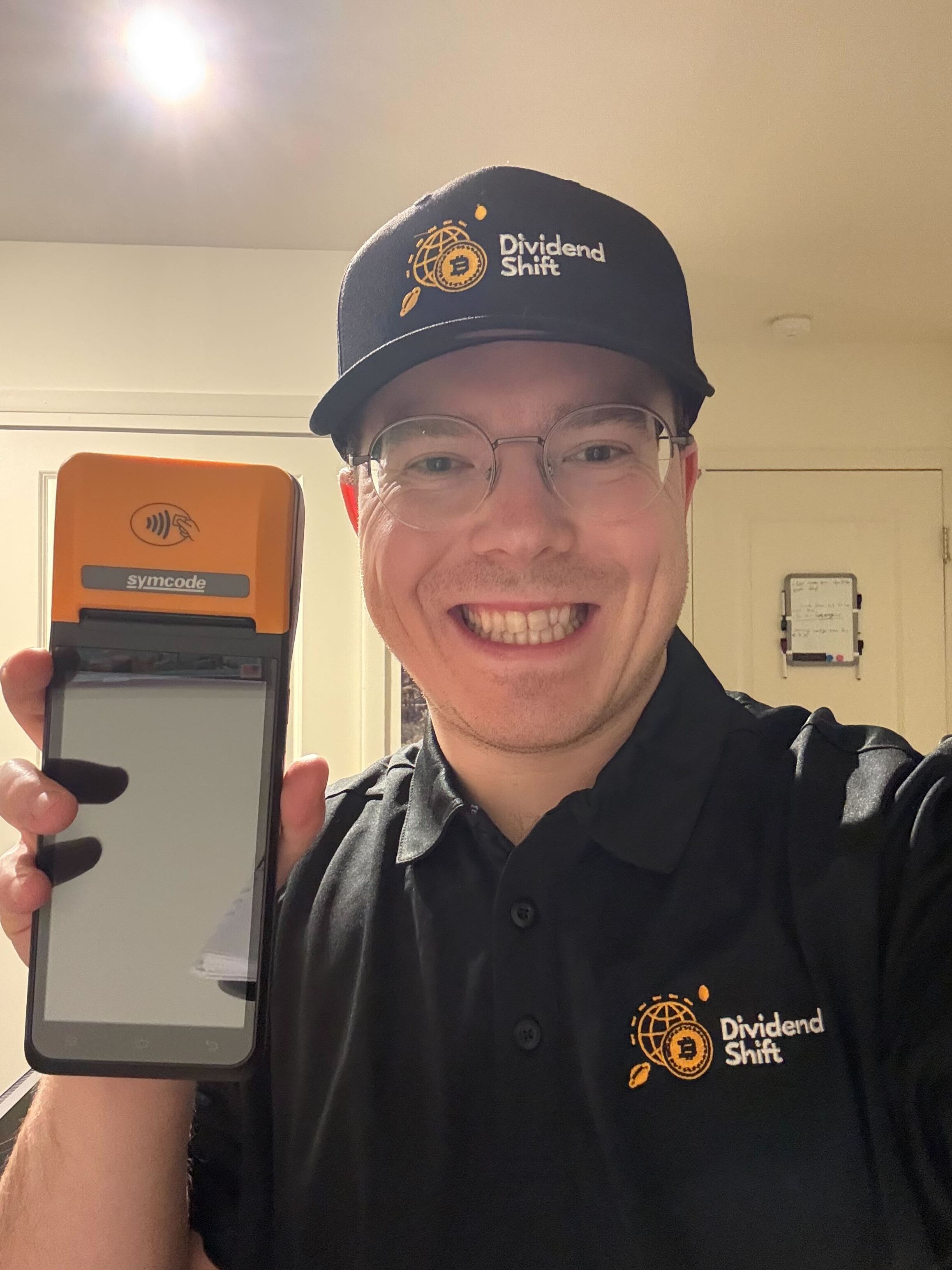
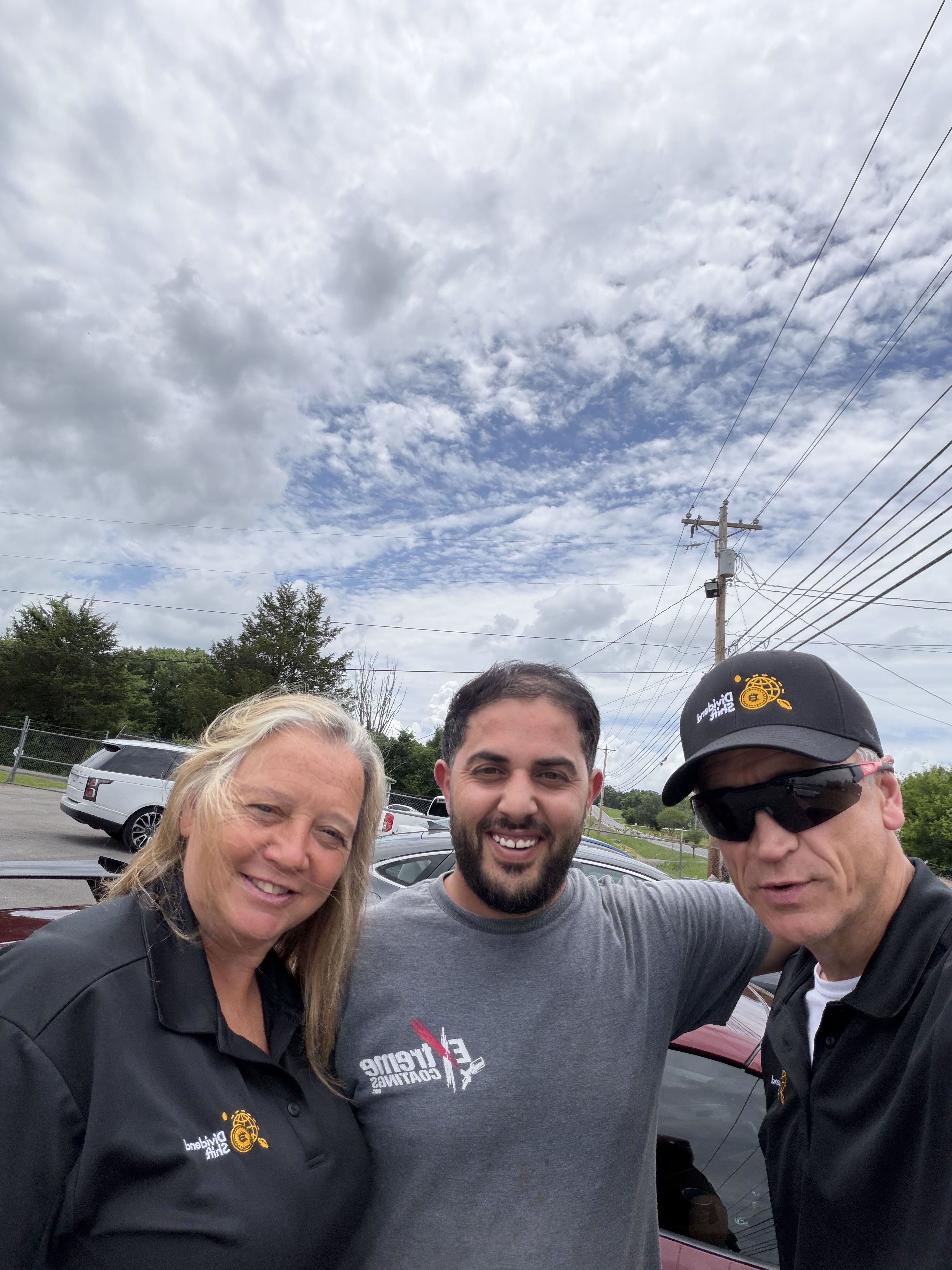
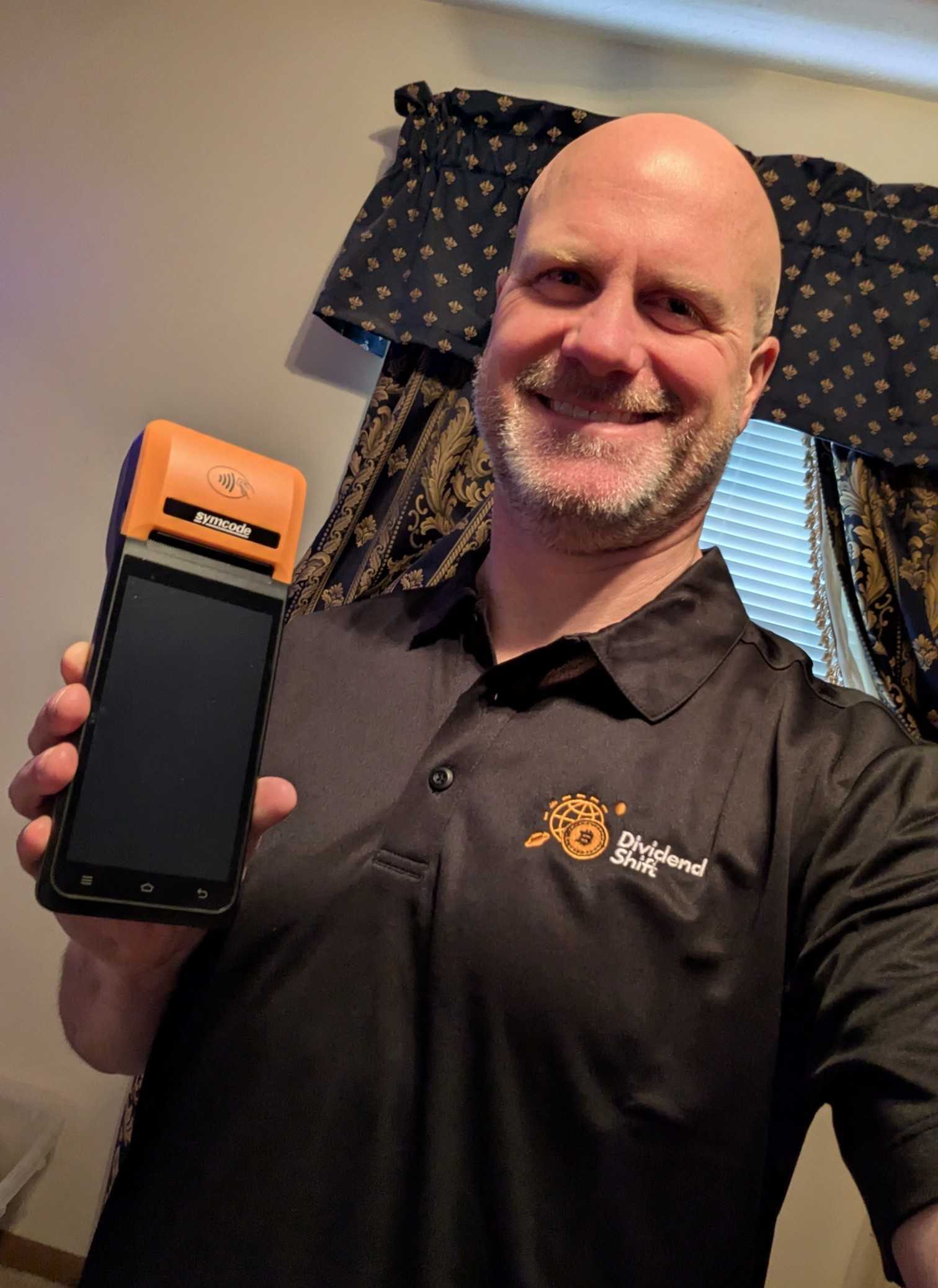
Former teachers, veterans, gig workers, and accountants. None of them had a background in payments or crypto. None of them were "salespeople." All of them signed their first merchant within 30 days of starting.
James Reed
James Reed
Automotive, Shelbyville
~$700/mo residual
Mark Lazor
Mark Lazor
Car Dealership, Winchester
~$490/mo residual
Ian Sun
Ian Sun
Used Car Dealership, Manassas
~$420/mo residual
Yusef Cole
Yusef Cole
Remodeling, Austin
~$525/mo residual
Allen Pham
Allen Pham
Mechanic Shop, Spring Valley
~$385/mo residual
Mitchell S.
Mitchell S.
Car Sales, Escondido
~$315/mo residual
James Reed
James Reed
Automotive, Shelbyville
~$700/mo residual
Mark Lazor
Mark Lazor
Car Dealership, Winchester
~$490/mo residual
Ian Sun
Ian Sun
Used Car Dealership, Manassas
~$420/mo residual
Yusef Cole
Yusef Cole
Remodeling, Austin
~$525/mo residual
Allen Pham
Allen Pham
Mechanic Shop, Spring Valley
~$385/mo residual
Mitchell S.
Mitchell S.
Car Sales, Escondido
~$315/mo residual

The Model Is Stupidly Simple

There's no product to sell. No downline to build. No inventory. No employees. No cold calling. Three things happen — and after the third one, you don't have to do anything else.

1
You Connect a Local Business to Crypto Payment Processing
We show you which businesses to approach and exactly what to say. The merchant pays nothing. You're offering them free access to a new customer base. Most business owners say yes before you finish the sentence.
2
The Merchant Starts Accepting Crypto — Gets Paid in Dollars
Their customers pay with crypto. The merchant gets settled in U.S. dollars automatically. No volatility risk. No technical knowledge required from you or them. It works exactly like a credit card terminal — just on different rails.
3
You Collect a Residual Every Month — Automatically
A percentage of every transaction flows to you. Every month. For as long as that merchant processes payments. You don't touch it. You don't manage it. It runs like a vending machine you never have to restock.
"The demand is already at the counter. 88% of business owners are being asked by their customers to accept crypto at least once a month. You're not creating demand — you're fulfilling it."— PayPal / National Cryptocurrency Association Research, January 2026

The Residual Scaling System

Most people who try to get into payment processing fail because they're doing it alone — guessing which businesses to approach, improvising conversations, and figuring out the technical setup by themselves. We built a system that removes all of that.

The details of how it works are covered on the call. But here's the framework:

Residual Scaling System™
The four-part framework that gets you to your first merchant — and keeps stacking from there
🎯
Market Mapping
Before you make a single approach, we identify the highest-converting business types in your specific area. No guessing. No wasted trips.
📋
Plug-and-Play Conversations
Word-for-word frameworks that handle every response a business owner can give. You don't need sales experience. You need the right words — and we give them to you.
⚡
Done-For-You Onboarding
Our team handles all technical setup. You make the introduction. We handle everything else. First to live merchant in under a week.
📈
Residual Stack Growth
A repeatable system for adding merchants month over month — so your income compounds without your effort growing with it.

Every Concern You Have — We've Already Solved It

These are the four most common things people say before they get on a call. Every single one of them disappears the moment you understand how the system actually works.

❌ "I don't know anything about crypto."
✅ Neither do the merchants — and that's exactly the point. You're not teaching crypto. You're offering a payment solution. The technology is invisible to both of you. The residual isn't.
❌ "I'm not a salesperson. I can't cold-call people."
✅ Most of our clients weren't either. You're not selling — you're offering something free and valuable to a business owner who is already being asked by their customers for it. The word-for-word frameworks handle the rest. No cold calling required.
❌ "I'm already working 50-60 hours a week. I don't have time."
✅ This isn't asking you to work 60 hours a week forever. It's asking you to spend 5 hours a week for 90 days. After that, the terminals run themselves. The income comes in whether you're working or sleeping. The whole point is to buy back your time — not add to it.
❌ "What if my area doesn't work?"
✅ On the call, we pull a live market assessment for your specific zip code — showing you exactly how many businesses in your area are a fit and how many are already accepting crypto. If your area is saturated, we tell you. If it's wide open, you see it in real time. No guessing.

Cold Calling Is Dead. Door Knocking Is a Waste of Time.

The old way of building a payment processing business was brutal — hours of rejection, gatekeepers, and wasted drives across town. The people who built residual income that way earned it the hard way. You don't have to.

In 2026, attention is expensive and time is the only thing you can't get back. A business model that requires you to cold call 200 people to sign 3 merchants is a job — not a business.

Old WayRSS System
Finding MerchantsCold calls, door knocking, rejection loopsPre-mapped local market — you know who to approach before you leave
ConversationsImprovised pitches, high objection ratePlug-and-play scripts with every response handled
Technical SetupYou figure it out yourselfOur team handles all onboarding — you just make the introduction
Income TypeOne-time commissions — stop working, stop earningMonthly residuals — earn while you sleep
Time RequiredFull-time grind to build a book5–10 hrs/week to build, then mostly passive

Where You Could Be — If You Move Now

This isn't a promise. It's a projection based on what we see with members who follow the system. Merchant accounts typically generate anywhere from $100 to $500 per month depending on the business type, transaction volume, location, and how frequently they process. No two accounts are identical — a high-volume auto dealer processes very differently than a small restaurant. The scenarios below reflect realistic outcomes for members who follow the system, not guarantees.

30
Days
Day 30
Your First Merchant Is Live
You've completed onboarding, pulled your local market map, and placed your first merchant. Your first residual check is processing. Most members sign their first merchant within 30 days. You're no longer watching from the sidelines — you're on the other side of the transaction for the first time in your life.
90
Days
Day 90
Your First Real Residual Stack
Hypothetically — let's say you've placed 5 merchants over your first 90 days. Some are smaller accounts, some are higher volume. You're looking at somewhere between $1,000 and $3,000 per month depending on what you placed and where. That range is wide on purpose — because your market, your merchant mix, and your effort level all factor in. What's consistent: the residuals are hitting monthly, and you didn't have to do anything to collect them this month.
1
Year
Day 365
The Business Is Running
At this point the system is familiar. You know how to find merchants, how to onboard them, and what to expect. The residuals from your earlier placements are still hitting — you placed that work months ago. Some members at this stage start delegating the outreach to a part-time assistant so they can focus on higher-leverage activity. The business doesn't require your full attention every day. That's the point.
770
Days
Day 770 (2 Years +)
Year 2 — You Have Something Worth Owning
Residual income portfolios like this trade at 24–36x monthly multiples. That means a $200/month account isn't just $200/month — it's a $4,800–$7,200 asset on paper. Say you've built a portfolio of 10 accounts averaging $200/month. That's $2,000/month in residuals — and a portfolio worth $48,000–$72,000 if you ever chose to sell a portion. Need to cover an expense? Fund a new investment? You can sell a chunk of your book, keep the rest running, and move on. You're not just collecting income — you're building the kind of boring business that other people want to buy.
The only thing that changes this timeline is when you start. Every month you wait is a month someone else is placing merchants in your area. The window is open. It won't be open forever.
The Next Step Is a Conversation

Find Out If Your Local Market Is Open

On the call, we pull a live market assessment for your specific area — showing you exactly how many businesses are a fit, how many are already accepting crypto, and what your realistic residual income looks like in 90 days. No pitch. No pressure. Just data.

Book a Free Info Call →

Takes 10 minutes on the phone. We show you the numbers for your area. You decide if it makes sense.